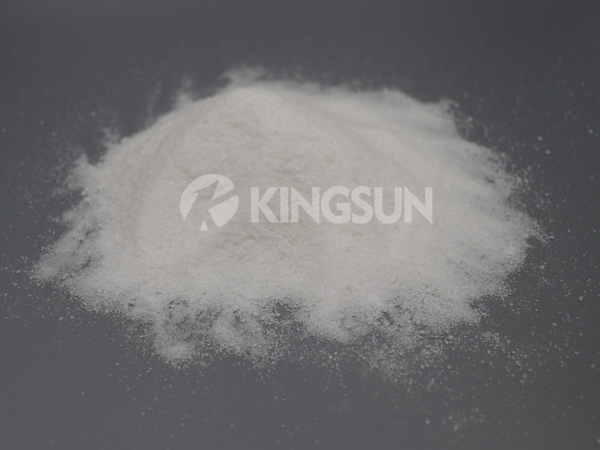
Polypropylene or PP resins are a type of thermoplastic polymer, which means they can be formed with the use of heat and they can also be re-melted while still retaining their innate characteristics. Thermoplastics are different in this particular way to thermosets, which are permanently changed after hardening. This is also why thermoplastics are usually recyclable.
Properties
Polypropylene resin is typically low-density, opaque polymers with excellent injection molding and thermoforming characteristics. When comparing them to other polymers, these materials have somewhat narrow temperature ranges, where they become brittle when the temperature drops below -20°C and they become unusable when the temperature reaches 120°C or beyond.
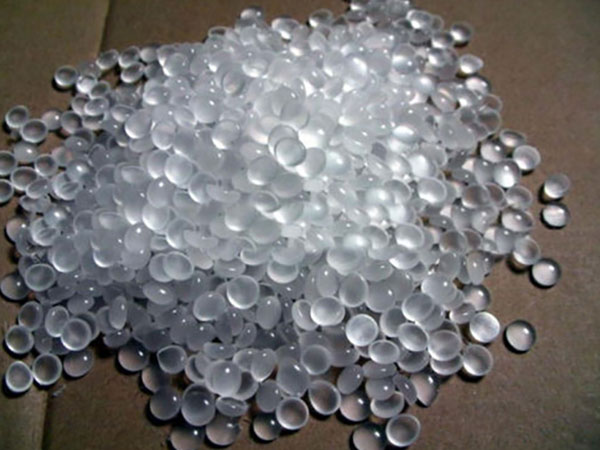
Polypropylene copolymers and polypropylene homopolymers make up most of the polypropylene formulations of today. Homopolymers are the “general-use” grade. They come in a semi-crystalline form made up of one propylene monomer. There are also various copolymers to choose from and when comparing these to the homopolymers, they tend to have better toughness and durability, increased softness, improved impact resistance, better resistance to cracks, and better low-temperature strength.
Polypropylene Types
Copolymers and homopolymers are the main polypropylene types.
Propylene homopolymer is the more widely used general-purpose grade out of the two. The main applications for this polypropylene resin include textiles, packaging, pipes, healthcare, electrical, and automotive applications.
PP copolymer is divided into block copolymers and random copolymers produced through a process of polymerizing ethane and propene:
• Propylene random copolymers are produced through a process of polymerizing together propene and ethene. It includes ethene units, typically up to 6% (by mass), randomly incorporated in polypropylene chains. These are polymers that are optically clear and flexible, which makes them suitable for applications that require transparency or for products that require a great-looking appearance. This is also the type of polymer that is used widely in the food-packaging industry.
• Propylene-block copolymers contain an ethene content that is higher (between 5% and 15%). It features co-monomer units that are arranged in blocks or regular patterns. These regular patterns make the thermoplastic less brittle and tougher when compared to random copolymers. These are the polymers that are suited to applications that require higher strength, which is why these products are usually widely in the industrial sector.
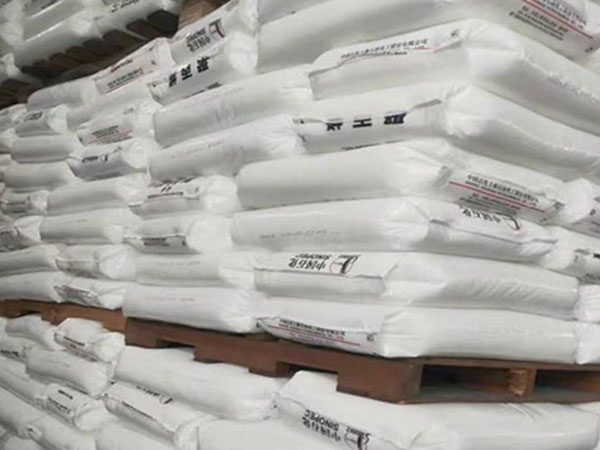
Impact copolymer is another polypropylene type. Propylene homopolymer contains a co-mixed copolymer propylene random phase with an ethylene-content of 45% to 65% known as a PP Impact Copolymer. The impact copolymers are used mainly in houseware, packaging, pipe, and film applications, along with the electrical and automotive segments.
Polypropylene Copolymer Vs. Polypropylene Homopolymer
Propylene homopolymer is stronger and stiffer, along with a higher strength-to-weight ratio when compared to the copolymer. These characteristics combined with great weldability and chemical resistance have made it a popular material in several corrosion-resistant structures.
Polypropylene copolymer may be slightly softer yet it offers an improved impact strength. It is more durable and tougher when comparing it to propylene homopolymer. It usually has better resistance to cracking and a lower-temperature toughness in comparison to a homopolymer, but there is a small decrease in the other properties.